
The Baby Friendly Initiative
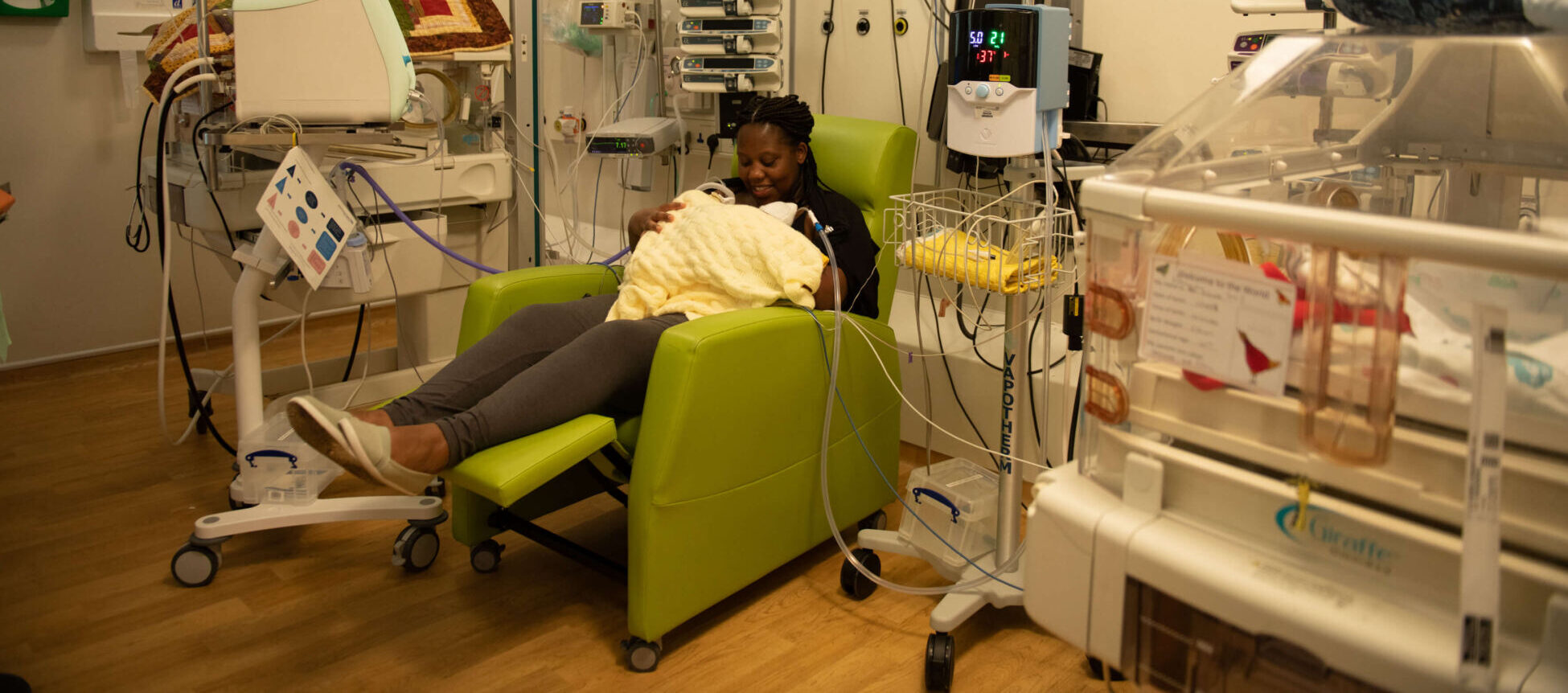
Transforming healthcare for babies, their mothers, parents and families in the UK
Subscribe
Book now: this year's two-day Virtual Annual Conference will take place online on 20-21 November 2024
BOOK NOW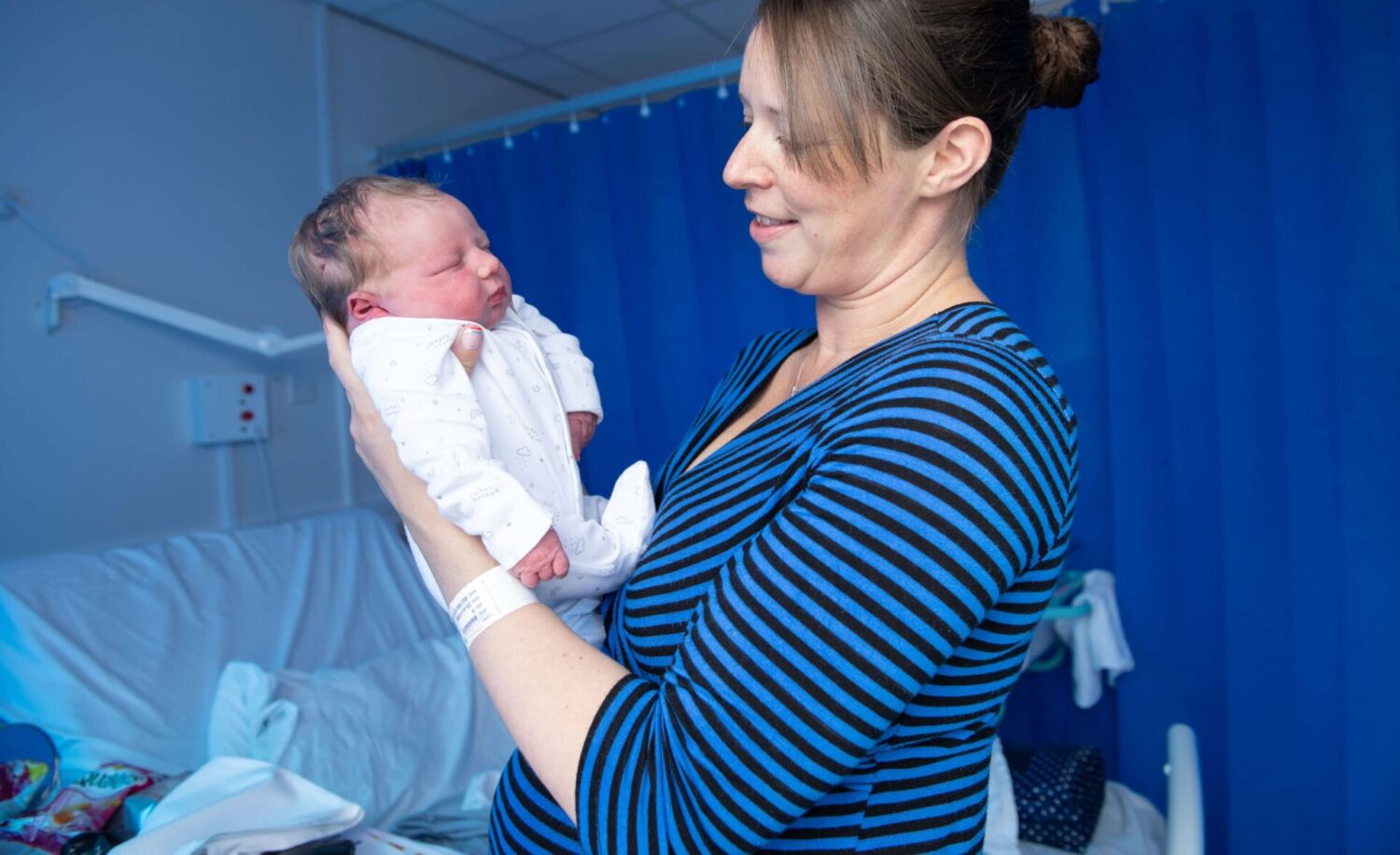
LATEST NEWS AND RESOURCES

LEARN MORE ABOUT THE CODE
About Baby Friendly
Resources
UNICEF UK’s Baby Friendly Initiative has made a real difference in giving our staff the skills and confidence to change the conversation about breastfeeding and early relationship building with parents… Together we can ensure that every single mother and baby receives the very best possible care, at a point in their lives where the information and support we provide will have a profound effect on their future health and development.
Ellie Elkins, Infant Feeding Lead for West Sussex, Sussex Community NHS Foundation Trust