

The Baby Friendly Initiative, UNICEF UK
Find out about Youth Voice

Health benefits of breastfeeding


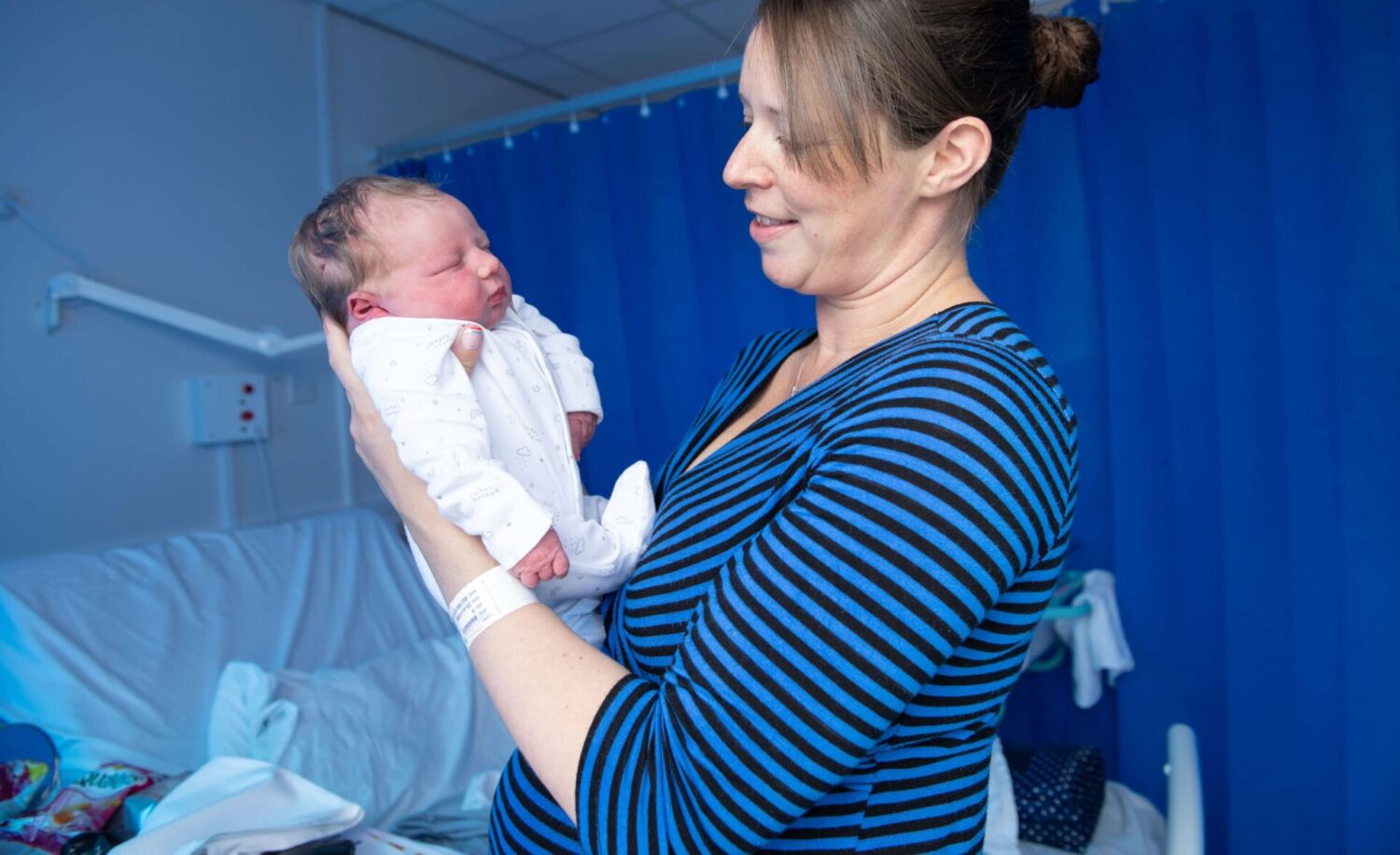
© UNICEF UK/Jill Jennings 2006

There has been significant reliable evidence produced over recent years to show that breastfeeding has important advantages for both infant and mother, including in industrialised countries.

Below is a selected list of recently published studies describing differences in health outcome associated with methods of infant feeding. The studies have all been adjusted for social and economic variables. All were conducted in an industrialised setting.

We also provide a list of additional health benefits that some researchers associate with breastfeeding. Many of these require further investigation to clarify any protective effects of breastfeeding.

Artificially fed babies are at greater risk of:

  • gastro-intestinal infection
  • respiratory infections
  • necrotising enterocolitis
  • urinary tract infections
  • ear infections
  • allergic disease (eczema and wheezing)
  • insulin-dependent diabetes mellitus
  • sudden infant death syndrome
  • childhood leukaemia.

and breastfed babies may have better:

  • neurological development.
Other studies of health and breastfeeding:
  • Cardiovascular disease in later life
  • Breastfeeding, bed sharing and cot death
  • Breastfeeding and HIV transmission
  • Breastfeeding and dental health
Women who have breastfed are at lower risk of:
  • breast cancer
  • ovarian cancer
  • hip fractures and bone density.

Breastfeeding may also provide protection against (more research needed):
for the infant

  • multiple sclerosis
  • acute appendicitis
  • tonsillectomy
for the mother
  • rheumatoid arthritis.

For further information, see our Research section.

.